

Can multi - mode optical fiber be used in outdoor applications?
Leave a message

Hey there! As a multi-mode optical fiber supplier, I often get asked if multi-mode optical fiber can be used in outdoor applications. Well, let's dive right into this topic and find out.
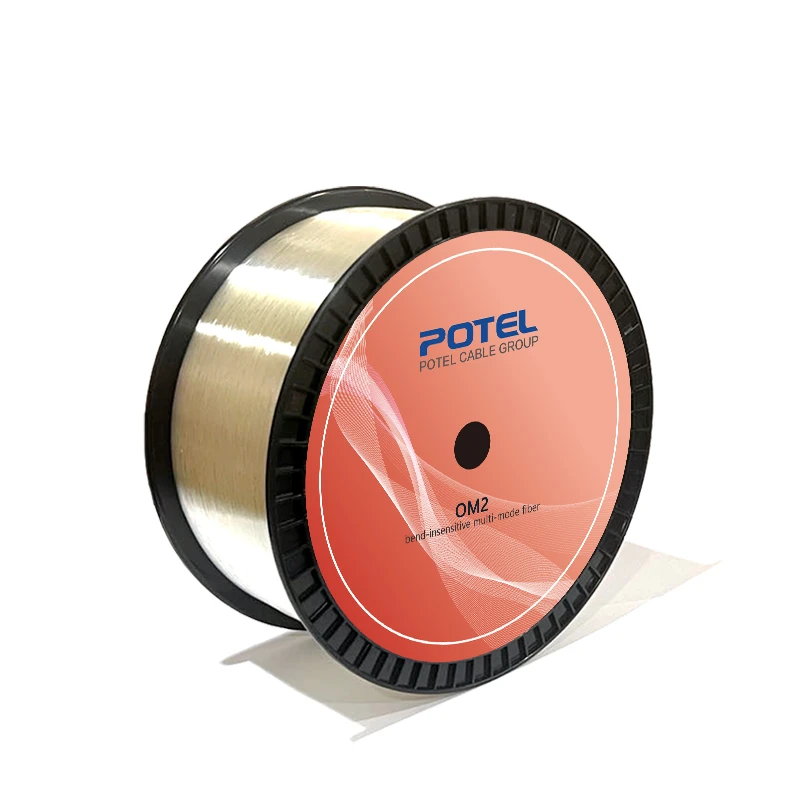
First off, let's understand what multi-mode optical fiber is. Multi-mode fiber allows multiple light rays (modes) to propagate simultaneously. This is different from single-mode fiber, which only allows one mode of light. There are different types of multi-mode fiber, such as Om1 Multi-mode Optical Fiber, Om2 Bend-insensitive Multi-mode Fiber, and Om3 Bend-insensitive Multi-mode Fiber.
Now, the big question: Can it be used outdoors? The answer is yes, but it comes with some considerations.
Advantages of Using Multi - mode Optical Fiber Outdoors
One of the major perks of multi-mode fiber in outdoor settings is its cost-effectiveness. It's generally cheaper than single - mode fiber, both in terms of the cable itself and the associated transceivers. So, if you're on a budget for an outdoor project, multi - mode fiber can be a great option.
Another advantage is its ease of installation. Multi - mode connectors are easier to terminate, which means less time and effort during the installation process. This is especially useful when you're working on large outdoor projects where time is money.
Multi - mode fiber also has a relatively high bandwidth capacity, which is suitable for applications that require quick data transfer. For example, in outdoor surveillance systems where multiple high - resolution cameras are constantly streaming video, multi - mode fiber can handle the data traffic effectively.
Challenges of Using Multi - mode Optical Fiber Outdoors
However, there are also some challenges when using multi - mode fiber outdoors. One of the main issues is the limited transmission distance. Multi - mode fiber has a shorter reach compared to single - mode fiber. As the light rays (modes) travel through the fiber, they can spread out and cause distortion, which limits the distance over which data can be transmitted reliably.

Weather conditions can also pose a problem. Extreme temperatures, humidity, and exposure to sunlight can affect the performance of multi - mode fiber. For example, high temperatures can cause the fiber to expand, which may lead to increased attenuation (signal loss). And prolonged exposure to sunlight can degrade the polymer coating of the fiber, reducing its lifespan.
Outdoor environments are also more prone to physical damage. Animals might chew on the cables, and construction work or natural disasters could cause the cables to be cut or damaged. So, proper protection is essential.
Solutions for Successful Outdoor Use
To overcome the transmission distance limitation, you can use repeaters or optical amplifiers. These devices can boost the signal strength, allowing the data to travel further.
To deal with weather - related issues, you need to choose the right type of cable. Look for outdoor - rated multi - mode fiber cables that are designed to withstand harsh environmental conditions. These cables usually have a rugged outer jacket that provides protection against moisture, UV radiation, and temperature variations.
For protection against physical damage, you can install the cables in underground conduits or use aerial installations with proper support. Regular inspections of the cables are also necessary to detect and fix any issues early on.
Suitable Outdoor Applications
There are several outdoor applications where multi - mode fiber works well.
Campus Networks
In a university or corporate campus, multi - mode fiber can be used to connect different buildings. The relatively short distances between buildings make it a suitable option, and the high bandwidth can support the data needs of students, faculty, or employees.
Outdoor Surveillance Systems
As mentioned earlier, outdoor surveillance systems require high - speed data transfer. Multi - mode fiber can handle the video streams from multiple cameras, providing a reliable and cost - effective solution for monitoring large areas.
Stadiums and Arenas
Stadiums and arenas need high - speed connectivity for various applications, such as live streaming, scoreboards, and Wi - Fi access for fans. Multi - mode fiber can meet these requirements, especially when the distances within the stadium are not too long.
Conclusion
So, in conclusion, multi - mode optical fiber can definitely be used in outdoor applications. While it has its challenges, with the right solutions and precautions, it can provide a cost - effective and reliable option for many outdoor projects.
If you're considering using multi - mode optical fiber for your outdoor project, I'd love to chat with you. Whether you have questions about the different types of multi - mode fiber, installation, or need help choosing the right cable for your specific needs, don't hesitate to reach out. We're here to make sure you get the best solution for your project.
References
- Cisco White Paper on Fiber Optic Cabling in Outdoor Environments
- OFS Fiber Optics Technical Guides


