

How does multi - mode optical fiber work in submarine communication systems?
Leave a message

Hey there! I'm a supplier of multi - mode optical fiber, and today I'm super stoked to chat with you about how multi - mode optical fiber works in submarine communication systems.
First off, let's get a basic understanding of multi - mode optical fiber. It's a type of fiber optic cable that can carry multiple light rays (or modes) at the same time. Unlike single - mode fiber, which is designed to carry a single ray of light, multi - mode fiber has a larger core diameter, typically 50 or 62.5 micrometers. This larger core allows multiple light paths to travel through the fiber, which can be a real advantage in certain situations.
So, how does it fit into submarine communication systems? Well, submarine communication is all about sending huge amounts of data across the ocean. Think of all the internet traffic, phone calls, and data transfers that happen between different continents. That's a ton of information that needs to be transmitted quickly and reliably.
One of the key benefits of multi - mode optical fiber in submarine systems is its high - capacity data transmission. With multiple light modes traveling through the fiber, it can carry a large volume of data simultaneously. This is crucial for meeting the ever - increasing demand for high - speed internet and data services around the world. For example, if you're streaming a 4K movie or participating in a high - definition video conference from one side of the ocean to the other, multi - mode fiber can help ensure that the data gets to you smoothly and without a hitch.
Another advantage is its relatively lower cost compared to some other options. When you're laying thousands of kilometers of cable under the ocean, cost is a major factor. Multi - mode fiber offers a cost - effective solution for transmitting large amounts of data. It allows communication companies to build and maintain submarine networks more economically, which ultimately benefits consumers by keeping the cost of services down.
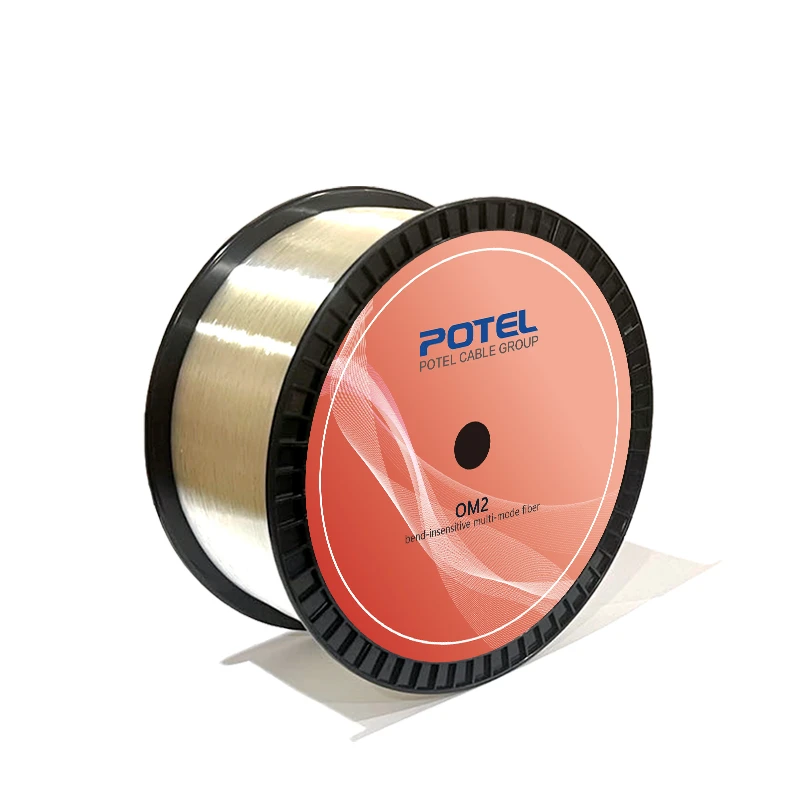
Now, let's talk about the different types of multi - mode fiber that we offer. We have some really great products like the Om2 Bend - insensitive Multi - mode Fiber. This fiber is designed to be more resistant to bending, which is super important in submarine applications. When the cable is being laid on the ocean floor, it can get bent and twisted in all sorts of ways. The bend - insensitive feature ensures that the data transmission quality remains high even under these challenging conditions.
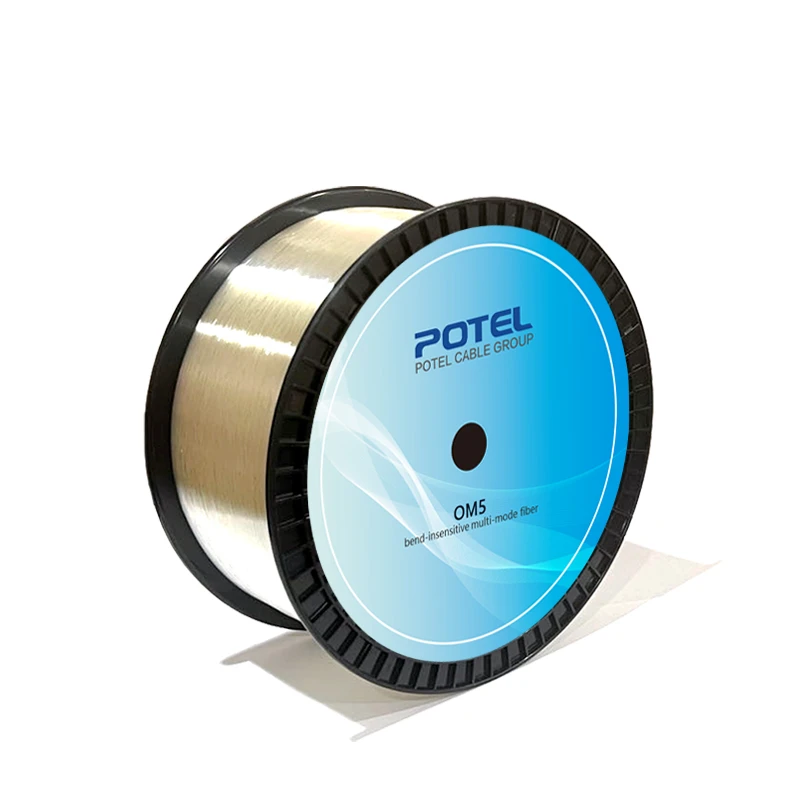
Then there's the Om5 Bend - insensitive Multi - mode Fiber. This fiber is optimized for short - wavelength division multiplexing (SWDM). It can support multiple wavelengths of light, which further increases its data - carrying capacity. In a submarine communication system, this means that more data can be sent through the same fiber, making the network more efficient.
And of course, we also have the Om4 Bend - insensitive Multi - mode Fiber. Om4 fiber has a higher bandwidth than some other multi - mode fibers, which allows for even faster data transmission. It's great for applications that require high - speed data transfer over relatively short to medium distances within the submarine network.
But how does the actual data transmission work in a submarine multi - mode optical fiber system? Well, it starts with the data being converted into light signals at the source. This is usually done using lasers or light - emitting diodes (LEDs). The light signals are then injected into the multi - mode fiber. As the light travels through the fiber, the different modes interact with the core and cladding of the fiber. The core is the central part of the fiber where the light travels, and the cladding is the outer layer that helps keep the light inside the core.
When the light reaches the other end of the cable, it's converted back into electrical signals, which can then be used by the receiving devices. This process happens incredibly fast, allowing for real - time data transfer across the ocean.
There are also some challenges that come with using multi - mode optical fiber in submarine systems. One of the main issues is modal dispersion. Since multiple light modes travel at different speeds through the fiber, they can arrive at the destination at slightly different times. This can cause the light signals to spread out and overlap, which can degrade the data quality. However, we've developed some advanced techniques to minimize this problem. For example, we use special fiber designs and signal - processing algorithms to compensate for modal dispersion and ensure reliable data transmission.
Another challenge is the harsh environment of the ocean. The fiber has to withstand high pressures, saltwater corrosion, and physical damage from things like fishing nets and underwater earthquakes. That's why our multi - mode fibers are specially coated and protected to ensure their durability. We test our fibers under extreme conditions to make sure they can handle whatever the ocean throws at them.
In conclusion, multi - mode optical fiber plays a vital role in submarine communication systems. It offers high - capacity data transmission, cost - effectiveness, and the ability to withstand challenging conditions. Whether you're a big communication company looking to expand your submarine network or a small business that relies on reliable international data transfer, our multi - mode optical fibers are a great choice.
If you're interested in learning more about our products or have any questions about how multi - mode optical fiber can benefit your submarine communication needs, don't hesitate to reach out. We're here to help you find the best solution for your specific requirements. Let's have a chat and see how we can work together to make your communication systems even better.
References:
- "Fiber Optic Communication Systems" by Govind P. Agrawal
- Industry reports on submarine communication technology
- Technical specifications of multi - mode optical fibers


