

What are the differences between multi - mode optical fiber and other types of optical fibers in PONs?
Leave a message

Passive Optical Networks (PONs) have emerged as a cornerstone technology in modern telecommunications, offering high - speed, reliable data transmission over long distances. Optical fibers are the lifeline of PONs, and among them, multi - mode optical fibers hold a unique position. As a multi - mode optical fiber supplier, I am well - versed in the differences between multi - mode optical fibers and other types of optical fibers in PONs.
Understanding the Basics of Optical Fibers in PONs
Before delving into the differences, it's essential to understand the fundamental types of optical fibers used in PONs. Generally, there are two main categories: single - mode optical fibers (SMFs) and multi - mode optical fibers (MMFs).
Single - mode optical fibers are designed to carry a single mode of light, which means that the light travels in a straight line down the core of the fiber. This results in very low dispersion and allows for extremely long - distance transmission with high data rates. SMFs are commonly used in long - haul telecommunications networks, such as those connecting cities or countries.
On the other hand, multi - mode optical fibers are capable of carrying multiple modes of light simultaneously. The core of a multi - mode fiber is larger than that of a single - mode fiber, which allows multiple paths for light to travel. This characteristic makes MMFs suitable for shorter - distance applications, such as local area networks (LANs) within buildings or campuses.
Core Size and Mode of Light Transmission
One of the most significant differences between multi - mode and other types of optical fibers in PONs is the core size. Single - mode fibers typically have a core diameter of around 8 - 10 micrometers. This small core size restricts the light to a single path, minimizing modal dispersion. Modal dispersion occurs when different modes of light travel at different speeds through the fiber, causing the light pulses to spread out over time. Since SMFs have only one mode, this type of dispersion is virtually eliminated.
In contrast, multi - mode fibers have a much larger core diameter, usually ranging from 50 to 62.5 micrometers. The larger core allows multiple modes of light to propagate through the fiber. While this enables more light to be coupled into the fiber, it also leads to increased modal dispersion. As a result, the distance over which multi - mode fibers can transmit data without significant signal degradation is limited compared to single - mode fibers.
Bandwidth and Data Transmission Rates
Bandwidth is another crucial factor that differentiates multi - mode optical fibers from other types in PONs. Single - mode fibers offer extremely high bandwidths, making them ideal for applications that require the transmission of large amounts of data over long distances. They can support data rates of up to 100 Gbps or even higher over distances of tens of kilometers.
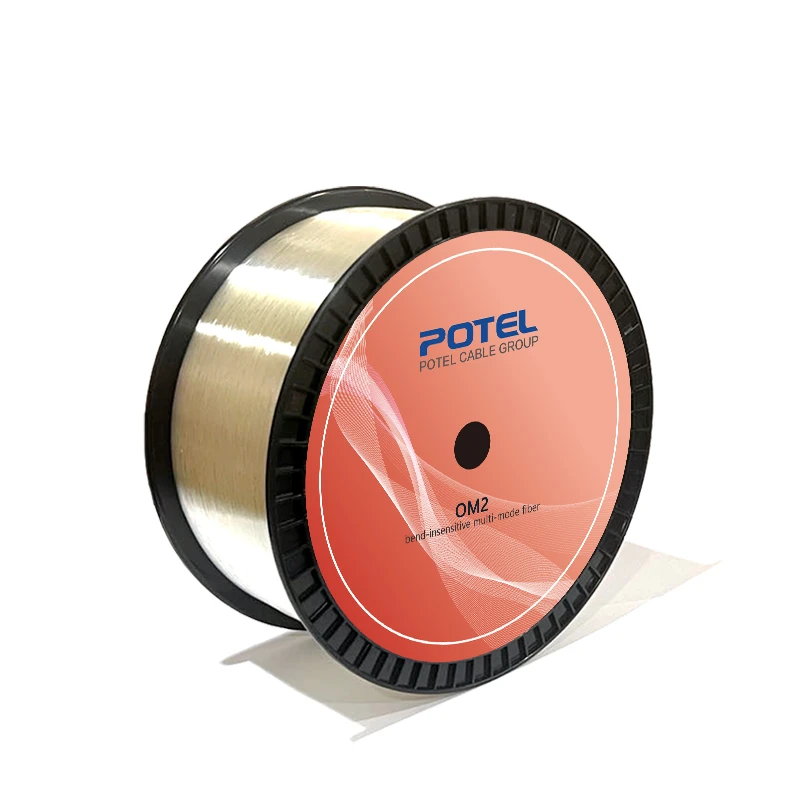
Multi - mode fibers, however, have a more limited bandwidth. The modal dispersion in MMFs restricts the data rate and the transmission distance. For example, traditional OM1 and OM2 multi - mode fibers are typically used for lower - speed applications, such as 1 Gbps Ethernet. Newer standards like Om5 Bend - insensitive Multi - mode Fiber, Om2 Bend - insensitive Multi - mode Fiber, and Om4 Bend - insensitive Multi - mode Fiber have been developed to increase the bandwidth and data rates of multi - mode fibers. OM4, for instance, can support 10 Gbps Ethernet over distances of up to 550 meters and 40/100 Gbps Ethernet over shorter distances.
Cost Considerations
Cost is often a deciding factor when choosing between different types of optical fibers in PONs. Single - mode fibers and their associated components, such as lasers and transceivers, are generally more expensive. The manufacturing process for SMFs is more complex due to the small core size, and the lasers used to couple light into SMFs are also more costly. Additionally, the installation and maintenance of single - mode fiber networks require specialized skills and equipment.
Multi - mode fibers, on the other hand, are more cost - effective. The larger core size makes them easier to manufacture, and the light sources used, such as light - emitting diodes (LEDs) or vertical - cavity surface - emitting lasers (VCSELs), are less expensive than the lasers used for single - mode fibers. This makes multi - mode fibers a popular choice for short - distance applications where the cost - to - performance ratio is a critical consideration.

Installation and Flexibility
Installation is another area where multi - mode and other types of optical fibers differ in PONs. Single - mode fibers require more precise alignment during installation due to their small core size. Even a slight misalignment can cause significant signal loss. This means that the installation process for single - mode fiber networks is more time - consuming and requires skilled technicians.
Multi - mode fibers are more forgiving when it comes to installation. The larger core size makes it easier to align the fibers, and the connectors are generally less sensitive to misalignment. This results in a faster and less complex installation process. Moreover, multi - mode fibers are more flexible and can tolerate tighter bends without significant signal loss. This makes them suitable for applications where the fibers need to be routed around corners or through tight spaces, such as in building cabling.
Application Suitability
The differences between multi - mode and other types of optical fibers in PONs also determine their application suitability. Single - mode fibers are the go - to choice for long - haul telecommunications, such as backbone networks, inter - building connections over long distances, and high - speed data transmission between data centers.
Multi - mode fibers are well - suited for short - distance applications. They are commonly used in LANs, data centers for intra - rack connections, and in buildings for local network connectivity. For example, in an office building, multi - mode fibers can be used to connect servers, switches, and workstations, providing high - speed data transfer within the building.
Conclusion
In conclusion, multi - mode optical fibers have distinct differences from other types of optical fibers in PONs. Their larger core size, which allows for multiple modes of light transmission, results in higher modal dispersion but also offers advantages in terms of cost, installation ease, and flexibility. While single - mode fibers excel in long - distance, high - bandwidth applications, multi - mode fibers are the preferred choice for short - distance, cost - sensitive applications.
As a multi - mode optical fiber supplier, I understand the unique requirements of different applications and can provide the right multi - mode fiber solutions to meet your needs. Whether you are building a new LAN, upgrading your data center, or looking for a cost - effective cabling solution for your building, our multi - mode fibers, including Om5 Bend - insensitive Multi - mode Fiber, Om2 Bend - insensitive Multi - mode Fiber, and Om4 Bend - insensitive Multi - mode Fiber, offer high - quality performance and reliability.
If you are interested in learning more about our multi - mode optical fiber products or would like to discuss your specific requirements, please feel free to reach out. We are ready to assist you in making the right choice for your PONs.
References
- "Fiber Optic Communication Systems" by Govind P. Agrawal
- "Optical Fiber Telecommunications VI" edited by Ivan Kaminow and Tingye Li
- Industry standards from the Telecommunications Industry Association (TIA) and the International Electrotechnical Commission (IEC)


