

What are the environmental requirements for multi - mode optical fiber?
Leave a message

Multi-mode optical fiber is a crucial component in modern communication systems, offering high-speed data transmission over relatively short distances. As a multi-mode optical fiber supplier, understanding the environmental requirements for these fibers is essential to ensure their optimal performance and longevity. In this blog, we will explore the key environmental factors that can impact multi-mode optical fiber and the necessary precautions to take.
Temperature
Temperature is one of the most significant environmental factors that can affect multi-mode optical fiber. Extreme temperatures can cause the fiber to expand or contract, leading to changes in its physical properties and potentially degrading its performance.
High Temperatures
High temperatures can increase the attenuation of the fiber, which means that the signal strength decreases as it travels through the fiber. This can result in a loss of data integrity and reduced transmission distances. Additionally, high temperatures can cause the coating of the fiber to degrade, exposing the core to environmental damage.
To mitigate the effects of high temperatures, it is important to choose multi-mode optical fiber that is designed to withstand elevated temperatures. For example, some fibers are specifically engineered with heat-resistant coatings that can protect the core from damage. It is also crucial to ensure proper ventilation and cooling in areas where the fiber is installed, such as data centers or telecommunications closets.
Low Temperatures
Low temperatures can also have a negative impact on multi-mode optical fiber. Cold temperatures can make the fiber more brittle, increasing the risk of breakage. In addition, low temperatures can cause the fiber to contract, which can lead to microbends and macrobends that can increase attenuation.
When installing multi-mode optical fiber in cold environments, it is important to use fibers that are designed for low-temperature applications. These fibers typically have a more flexible coating that can withstand the cold without becoming brittle. It is also recommended to provide insulation and heating in areas where the fiber is installed to maintain a stable temperature.
Humidity
Humidity is another environmental factor that can affect multi-mode optical fiber. High humidity levels can cause moisture to accumulate on the surface of the fiber, which can lead to corrosion and damage to the coating. This can increase attenuation and reduce the lifespan of the fiber.
To prevent the effects of humidity, it is important to store and install multi-mode optical fiber in a dry environment. When installing the fiber, it is recommended to use moisture-resistant cables and connectors. Additionally, it is important to seal any openings or joints in the fiber installation to prevent moisture from entering.
Dust and Contamination
Dust and other contaminants can also have a significant impact on multi-mode optical fiber. Particles of dust or debris can accumulate on the surface of the fiber, causing scratches and damage to the coating. This can increase attenuation and reduce the performance of the fiber.
To prevent dust and contamination, it is important to keep the environment where the fiber is installed clean and free of debris. When handling the fiber, it is recommended to wear clean gloves and use clean tools to avoid introducing contaminants. It is also important to regularly clean the fiber connectors and cables to remove any dust or debris that may have accumulated.
Mechanical Stress
Mechanical stress is another factor that can affect multi-mode optical fiber. Bending, pulling, or twisting the fiber can cause microbends and macrobends, which can increase attenuation and reduce the performance of the fiber. In addition, excessive tension or compression can cause the fiber to break.
When installing multi-mode optical fiber, it is important to follow the manufacturer's guidelines for bending radius and tension limits. It is also important to use proper installation techniques and tools to avoid applying excessive stress to the fiber. For example, when pulling the fiber through conduit or ducts, it is recommended to use a pulling lubricant to reduce friction and prevent damage to the fiber.
Radiation
In some environments, such as nuclear power plants or space applications, multi-mode optical fiber may be exposed to radiation. Radiation can cause damage to the fiber by creating color centers in the glass, which can increase attenuation and reduce the performance of the fiber.

When using multi-mode optical fiber in radiation environments, it is important to choose fibers that are designed to withstand radiation. These fibers typically have a special composition that can resist the effects of radiation. It is also important to monitor the performance of the fiber regularly to detect any signs of radiation damage.
Specific Types of Multi-mode Optical Fiber and Their Environmental Suitability
Different types of multi-mode optical fiber have different environmental requirements and suitability. For example, Om1 Multi-mode Optical Fiber is an older type of fiber that is suitable for lower-speed applications. It can typically operate in a wide range of temperatures and humidity levels, but it may be more susceptible to mechanical stress and contamination.
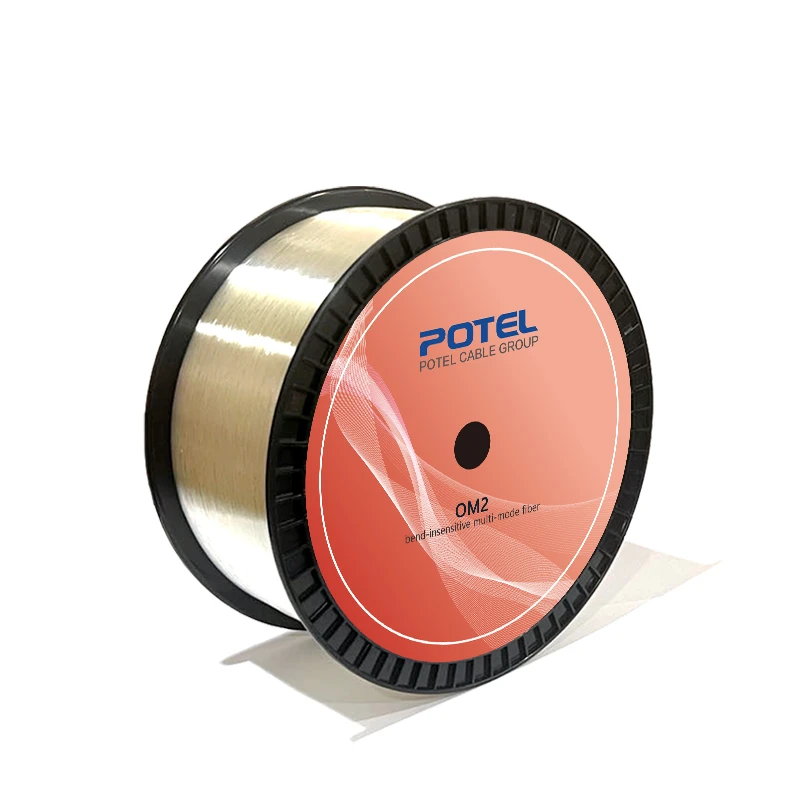
Om2 Bend-insensitive Multi-mode Fiber is designed to be more resistant to bending, making it suitable for applications where the fiber may need to be routed around tight corners or in confined spaces. It also has improved performance in terms of attenuation and bandwidth compared to Om1 fiber.
Om3 Bend-insensitive Multi-mode Fiber is a high-performance fiber that is designed for use in data centers and other high-speed applications. It has even better bending performance and higher bandwidth than Om2 fiber, making it suitable for applications that require high-speed data transmission over short distances.
Conclusion
As a multi-mode optical fiber supplier, it is our responsibility to ensure that our customers are aware of the environmental requirements for these fibers. By understanding the key environmental factors that can affect multi-mode optical fiber and taking the necessary precautions, we can help our customers ensure the optimal performance and longevity of their fiber optic networks.
If you are interested in learning more about our multi-mode optical fiber products or have any questions about environmental requirements, please feel free to contact us. We are happy to provide you with the information and support you need to make the right choice for your communication needs.
References
- "Optical Fiber Communication Systems" by Gerd Keiser
- "Fiber Optic Test Procedures" by the Telecommunications Industry Association (TIA)
- Manufacturer's specifications and datasheets for multi-mode optical fiber products.


